
 English
 Deutsch
Blog · Marketing
Hotel 360 Virtual Tour: What It Actually Does for Bookings
Hotel 360 virtual tours let guests explore rooms before booking. An honest look at what they actually change: engagement, trust and fewer surprises at check-in.
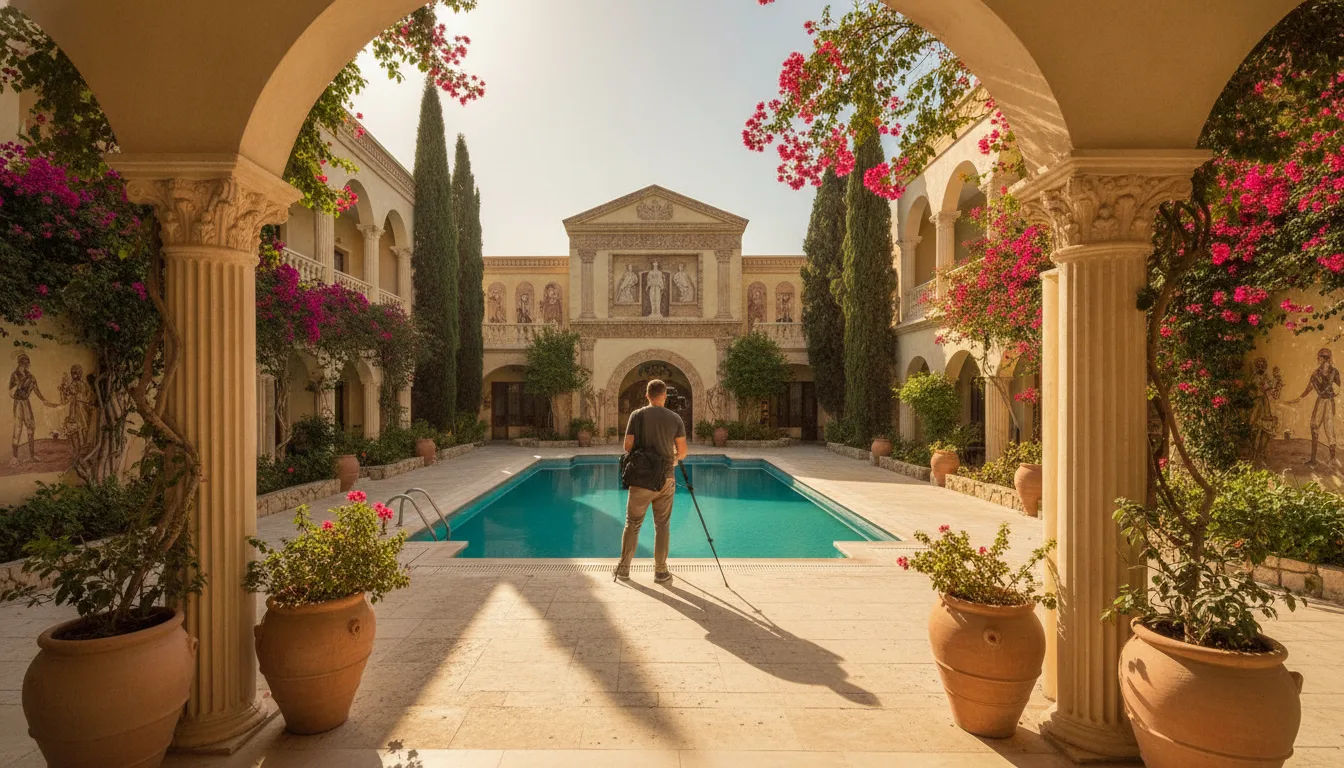 AI-generated
On this page
You have spent money on professional photos, the rooms look good, and yet guests still hesitate at the booking stage. So the obvious question is whether a hotel 360 virtual tour fixes that, or whether it is just another flashy widget that sits on your homepage and does nothing. This is an honest breakdown from an agency that actually shoots these tours in Cyprus. We will tell you where they pay off, where they do not, and how to brief one so it earns its place rather than gathering dust.
No hype, no scare tactics. Just the practical reality of where a walk-through changes a guest's mind and where your money is better spent elsewhere.
What a 360 tour is, and what it is not
Here is the simple way we explain it to clients. A 360 tour lets a guest "walk" through your property from their phone or laptop, panning around each room and moving from point to point. Some are built from stitched 360-degree photos. Others use a full 3D scan, often a Matterport hotel capture, which produces a proper dollhouse view and lets people move smoothly through the whole building.
Both work in a browser, on mobile and tablet, without a headset. Major chains like NH Hotels already run 360 tours of their rooms, lobbies and restaurants, so the format is no longer a novelty. It is becoming standard in the mid to upper segments.
Now, what it is not. A 360 degree hotel tour is not a replacement for good photography. It is not a magic conversion button. And it is not, despite what some sales pages suggest, a guaranteed jump in bookings. It is a transparency tool. It shows the real size of a room, the actual view from the balcony, and the walk from reception to the pool. That honesty is the whole point.
If your rooms genuinely look better in person than in photos, a tour helps. If you are hoping a tour will hide a tired room, it will do the opposite. The camera shows everything.
The booking psychology of a walk-through
 AI-generated
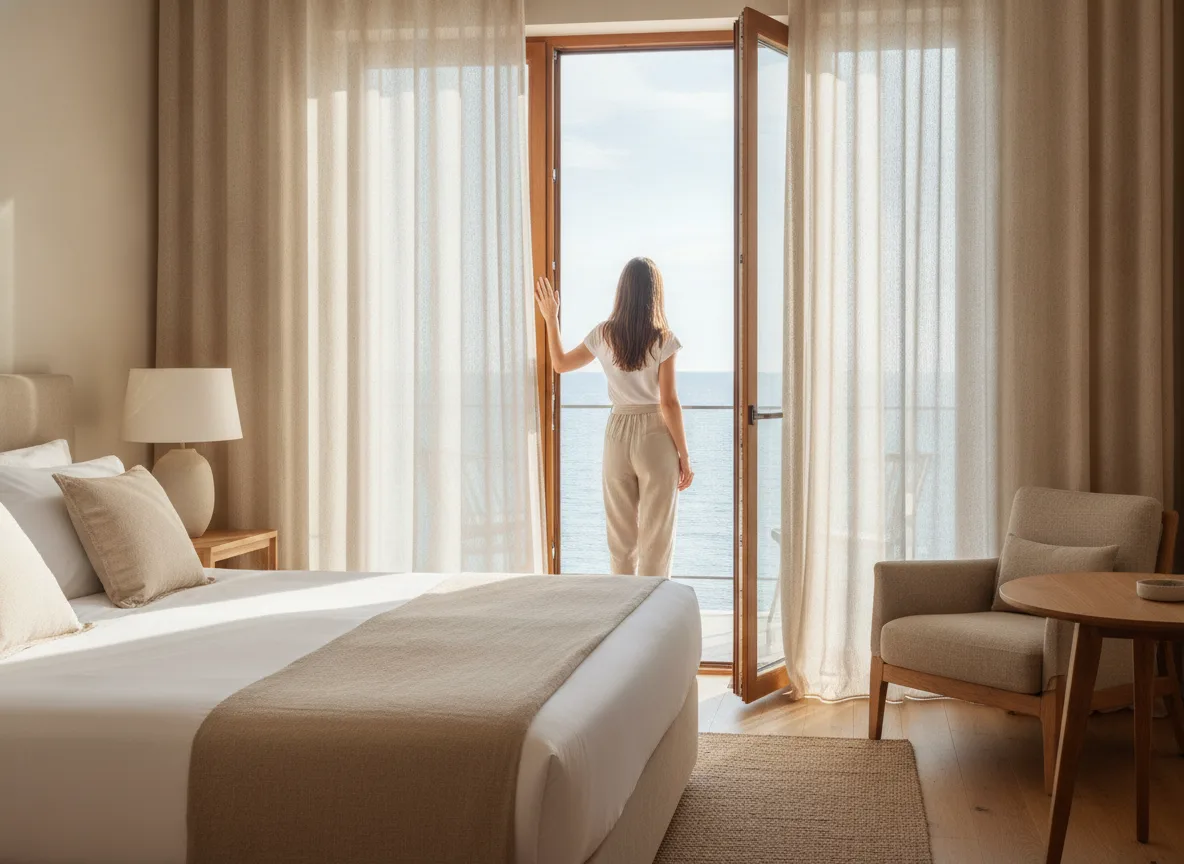
Booking a hotel room is a small leap of faith. The guest is paying upfront for a space they have never seen, often in a country they do not know, based on a handful of carefully chosen photos. That gap between what they see and what they will actually get is where hesitation lives.
A hotel 360 virtual tour closes that gap in a way static photography simply cannot. Photos answer the question "does this look nice?" An immersive hotel experience answers the harder questions: how big is it really, what is next to my room, what does the bathroom actually look like, can I see the sea or just hear it. When those questions are answered before booking, the guest commits with more confidence and feels less risk.
Matterport's own data shows properties with 3D or virtual tours generate meaningfully higher engagement than those without. Most of the harder numbers you will find online, including well-known figures about buyers being more likely to commit, come from real estate listings, not hotel bookings, and we are not going to pretend that transfers directly. The honest version for hotels is that a tour changes engagement and time on page, which are measurable on your own site, rather than a guaranteed lift in the booking rate you can promise upfront.
There is a second, quieter benefit. Transparency before arrival means fewer disappointed guests at check-in. When a guest has already walked through a hotel 360 virtual tour of their room and seen the actual view, they arrive with accurate expectations. That tends to mean fewer "it was smaller than the photos" reviews. So a virtual tour hotel booking flow can protect your reputation as well as nudge the sale.
That is the honest mechanism. Tours do not trick anyone. They remove doubt.
Where the hotel 360 virtual tour pays off, and where it does not
This is the part most agencies skip. Tours are not equally worth it for every property. Here is where we have seen a hotel 360 virtual tour earn its cost, and where it genuinely does not.
Where it pays off
- Properties where the space is the selling point. Boutique hotels, villas, suites with character, unusual layouts. The benefits of 360 virtual tours for boutique hotels are real because a photo cannot convey a quirky split-level suite or a courtyard the way a walk-through can.
- Higher-value rooms and upsells. If you want guests to choose the sea-view suite over the standard room, showing both as a 360 degree hotel tour makes the upgrade obvious and easier to justify.
- International, direct-booking guests. A tour works as a 24/7 open house across time zones. A guest in Germany researching a Paphos hotel at midnight can inspect the property without emailing you.
- Larger amenities that sell the stay. Pool areas, restaurants, spa, conference space. A hotel 360 virtual tour of common areas and amenities lets event planners and families judge the whole experience, not one bedroom.
Where it does not
- Very small budget properties with standard rooms. If every room is identical and modest, a single good photo set does most of the work. A tour adds little. A refreshed OTA photo set or better room descriptions would serve you better at this stage.
- Properties relying almost entirely on OTAs. If 95% of your bookings come through booking platforms that do not host your tour prominently, the tour has fewer places to do its job. It can still help your direct channel, but be realistic about the share. Investing in OTA content optimisation is likely the higher-return move first.
- Rooms that need renovation first. Spend the money on the room, not on filming the tired one. The tour will only highlight what is wrong. Fix it, then film it.
Before you commission anything, walk your own property and ask which rooms you would happily show a guest in full 360. If you hesitate on most of them, fix the rooms first and shoot later.
One more honest note. Generic widget tours, the ones that pop up in a clunky overlay that does not match your site, often underperform not because the format is weak but because the integration is sloppy. A tour buried behind a tiny icon nobody clicks is money poured into a bucket with holes. Placement matters as much as the footage.
Not sure where your site stands?
A free first consultation, no slides and no pressure. You leave with the three things to fix first.
Book a free consultation →If you are unsure whether your current site and booking setup can support a tour integration properly, our website visibility audit looks at exactly that kind of gap: where your site loses guests before they book.
One shoot, many assets
 AI-generated
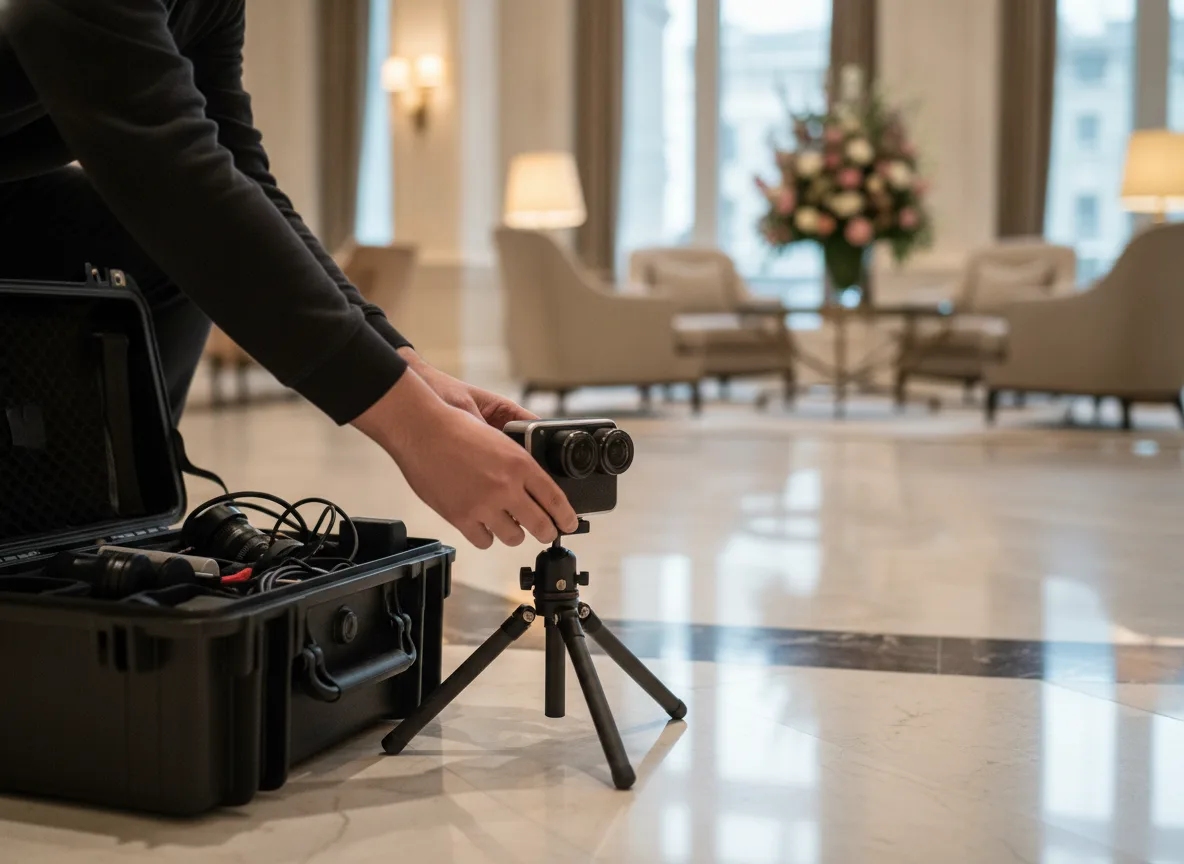
This is where the cost question gets more sensible. A single shoot does not just produce one hotel 360 virtual tour. Done properly, the same day of capture gives you a library you reuse across every channel for a year or more.
To make this concrete: a Paphos boutique hotel shoot can yield, from a single half-day, a full Matterport scan of common areas and suite categories, a set of high-resolution room stills, and a collection of short vertical clips ready for Reels and TikTok. The hotel 360 virtual tour is the anchor asset, but it is far from the only one that comes out of the day. That combination of 360 tours and photography is exactly what we capture in a single visit.
From one visit, good hotel photography in Cyprus and a tour shoot together can deliver:
- The interactive 360 tour for your website and booking engine.
- High-resolution stills pulled from or shot alongside the scan, for OTAs, your gallery and print.
- Short vertical clips and pans for Instagram, Reels and TikTok, where movement outperforms static images.
- Individual room-category tours you can link from each booking page.
- Screens for in-property displays, email campaigns and Google Business Profile.
This is the part that changes the maths. If you judge a tour purely as a single embed on your homepage, it can look expensive. If you treat one shoot as the source for your whole year of hotel marketing in Cyprus, the cost per asset drops considerably. The footage is highly reusable, and that reuse is where the value quietly adds up.
When you brief the shoot, write down the exact deliverables before the camera arrives: confirm the number of room categories, specify vertical-format clips for social, and list which amenities need standalone stills for OTA profiles. A written list takes ten minutes and prevents half a day of reshooting.
How to brief a tour that fits your site
A tour fails or succeeds long before the camera comes out. Here is the simple way we brief one so it fits your site instead of floating on top of it.
Decide the one job it must do. Is this tour meant to lift direct bookings, sell more suite upgrades, or win more events and weddings? Each goal changes what you film and where it lives. Pick the primary job. A tour that tries to do everything usually does nothing well.
Plan the integration first. Decide where it sits before you shoot. A hotel 360 virtual tour integration with booking engine flow works best when the guest can move from "I have seen this room" to "I am booking this room" in one step. That means embedding the relevant room tour on the relevant booking page, not hiding the whole thing behind a single homepage button. The tour should match your site's look, load on mobile, and feel like part of the page.
Build a real shot list. List every room type and every amenity that actually sells the stay. Note the best time of day for the light in each space, the views you want captured, and which rooms you do not want filmed. Tidy and stage the rooms exactly as a guest should see them. The tour is honest, so the staging needs to be honest too.
Choose the right format and hotel virtual tour software. A stitched 360 photo tour is lighter and cheaper. A full 3D scan, the kind that hotel virtual tour software like Matterport produces, gives smoother movement and a floor plan view, which suits larger or more complex properties. The difference between a 360 photo tour and a full 3D scan is mostly depth of movement and budget. Match it to your property and your primary goal, not to whatever is trendy.
Check the loading behaviour before you launch. A heavy embed that slows your booking page down can cost you more in abandoned sessions than the tour ever wins back in confidence. Lazy-load the tour so it only pulls its full weight once a guest scrolls to it or taps to open it, and test the room page on a mid-range phone on mobile data, not just your office wifi. Set a simple measurement plan from day one: tag clicks that open the tour, compare the booking-page conversion rate for sessions that opened it against sessions that did not, and watch time on page for the room categories you filmed. That is enough to tell you, with your own numbers, whether the tour is doing its job.
Get this part right and everything else works harder. A well-briefed, well-placed hotel 360 virtual tour quietly does its job on every room page. A rushed one becomes the widget nobody clicks.
The decision is straightforward once you weigh the property, the placement and the current state of your rooms. For the right property, a tour removes the doubt that stops a guest mid-booking, and when one shoot feeds your whole year of marketing, the cost makes sense. For a small property with standard rooms and an OTA-heavy mix, the honest answer is that your money may go further elsewhere first. Decide the job, plan the placement, fix the rooms before you film them. If you want a second pair of eyes on whether a tour fits your property and your site, we shoot these in Cyprus and will tell you plainly. The first consultation is free. No slides, just a straight answer.
While you are thinking through the broader marketing picture for your hotel, it is worth reading our notes on Google Business Profile optimisation and on SEO in Cyprus, since both affect how guests find your property before they even reach your booking page. And if you are weighing tours against other paid options, our comparison of SEO versus paid ads for Cyprus businesses covers the same honest trade-off logic.
Talk to us about a tour for your hotel
FAQ
Do 360 virtual hotel tours actually increase bookings?
They can, when the property and placement are right. Tours reduce hesitation by letting guests inspect rooms and amenities before paying, which builds confidence and tends to lift direct bookings and upgrades. They are not a guaranteed jump, and they help most where the space itself is a selling point and the tour sits directly in the booking flow.
How much does it cost to create a 360 virtual tour for a hotel?
It depends on property size, the number of rooms and amenities, and whether you choose stitched 360 photos or a full 3D scan. The more useful way to judge cost is per asset: one shoot can supply your tour, stills and social clips for a year, so the cost spreads across many uses rather than one embed.
Can virtual tours be integrated with my hotel booking engine?
Yes. Tours can be embedded into your website, landing pages and individual booking-engine room pages, so a guest can view a specific room category and then book it. The integration matters more than most people expect; a tour placed next to the booking button does far more than one hidden behind a homepage icon.
Are 360 tours compatible with mobile devices and tablets?
Yes. Modern tours run in a browser on phones, tablets and laptops without a headset, which matters because a large share of hotel research happens on mobile. A good tour should load quickly and feel like part of your site on a small screen.
Can I use a hotel 360 virtual tour on my Google Business Profile?
Yes, and it is worth doing. Google Business Profile supports virtual tours, which means a guest searching for your hotel on Google Maps can step inside before they visit your website at all. It is one of the quieter wins from a single shoot day: the same footage that lives on your booking page can also appear directly in search results.
Want a brand that is impossible to ignore?
We build the software, sites and systems that put you in front of the right people. One free call, one clear next step.
Book a free consultation →